Used Industrial Robots Blog — Automation & Robotics Guides

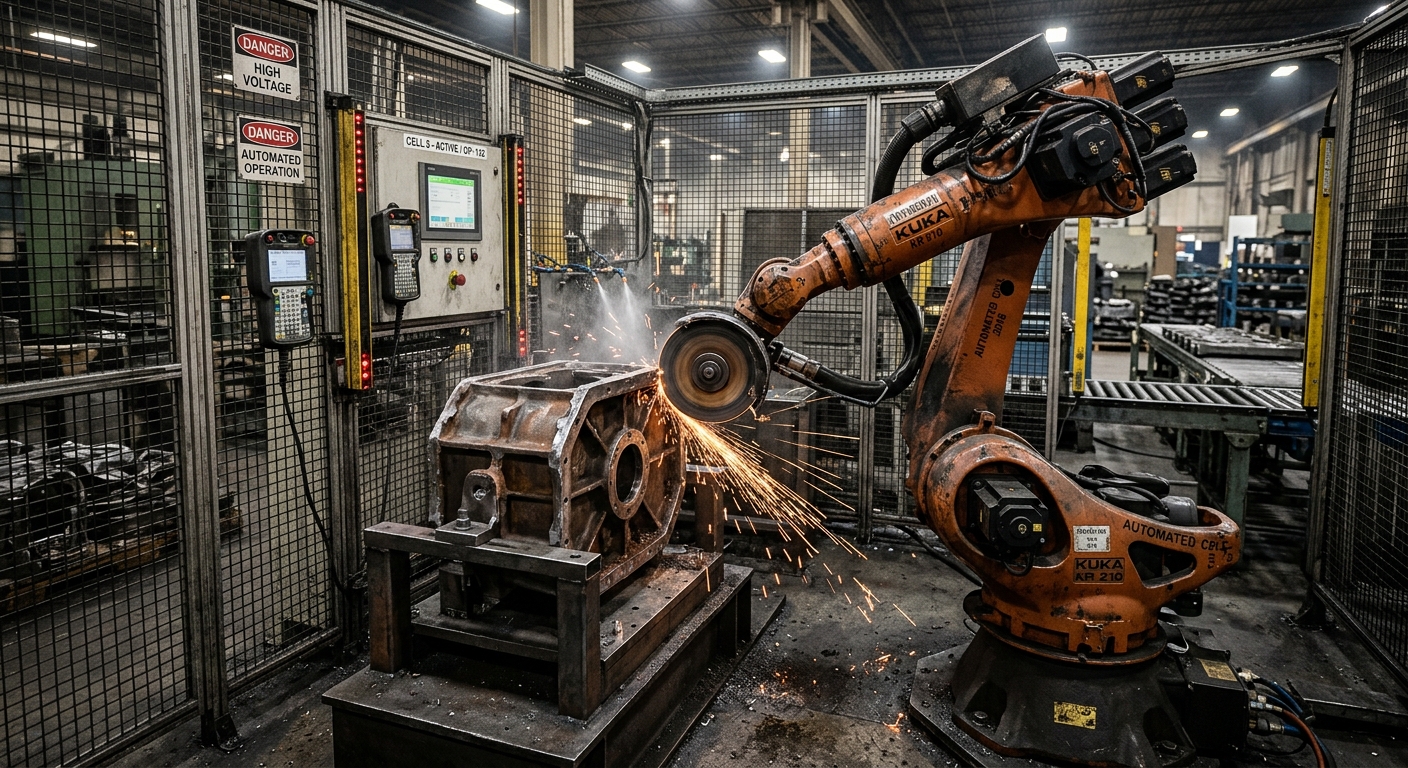
Why Robotic Milling Vibration Happens and How to Reduce It Before It Affects Production

Industrial robot performing a milling operation on a securely fixtured metal workpiece

Vibration Is Usually a System Problem, Not Just a Robot Problem When robotic milling vibration appears during production, the first reaction is often to question the robot itself. In practice, vibration rarely originates from the robot arm alone. It is usually the result of several interacting factors, including tooling, fixturing, machining strategy, workpiece rigidity, and … Read more

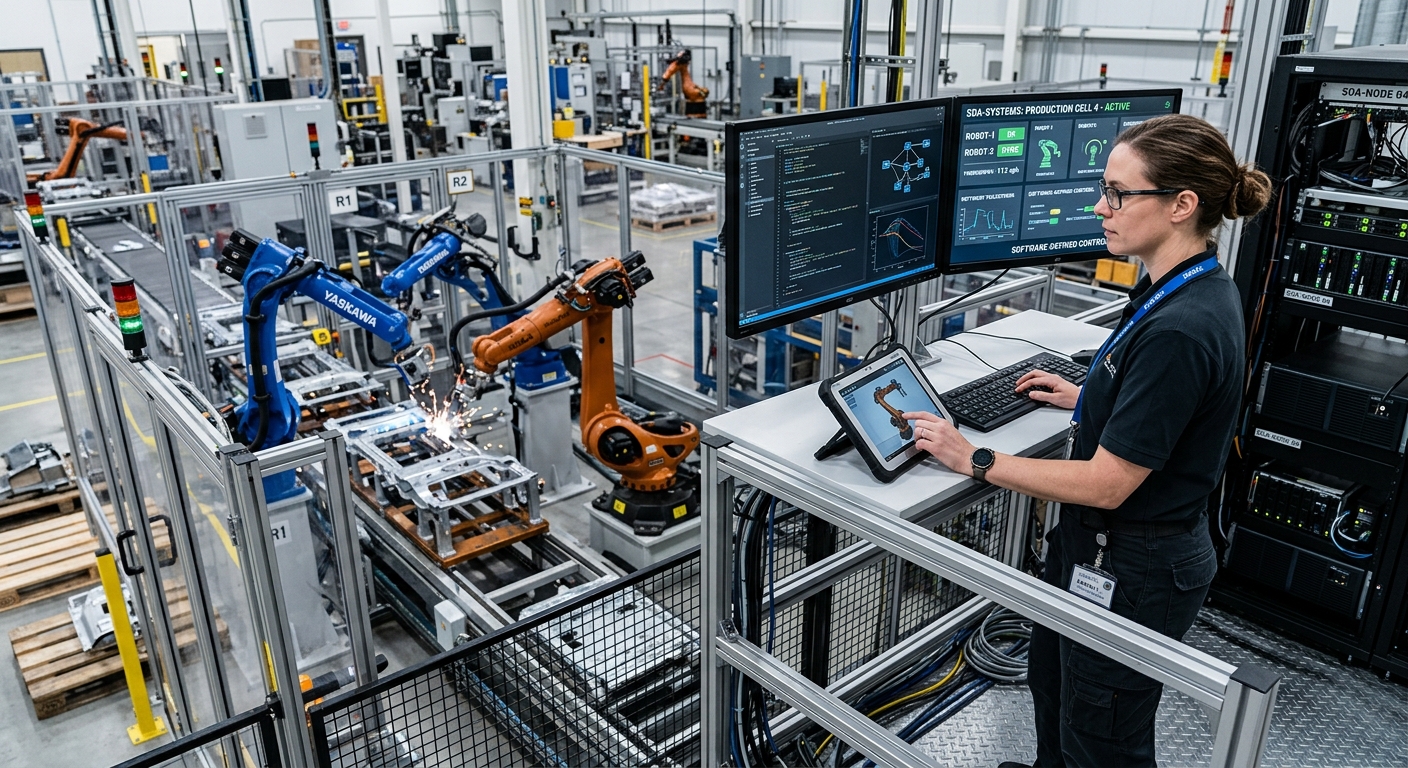
Robot + PLC Integration: What Must Work Before Automation Delivers Results

Industrial robot communicating with a PLC inside an automated manufacturing cell

Why Robot + PLC Integration Is About More Than Communication The biggest misconception about robot PLC integration is that once the robot controller and the PLC can exchange signals, the integration is complete. In practice, communication is only one part of a stable automation project. The real challenge is ensuring that both systems interpret production … Read more

AMRs vs Traditional Automation: Which Fits Your Production Environment Better?

Autonomous mobile robot transporting materials alongside fixed industrial automation in a manufacturing facility

Why the Choice Is Rarely Between “Old” and “New” Automation The discussion around AMRs vs traditional automation is often framed as if one technology is replacing the other. In practice, manufacturing companies are deciding something more specific: whether a production task benefits from flexibility or from predictable, fixed movement. That distinction has a far greater … Read more

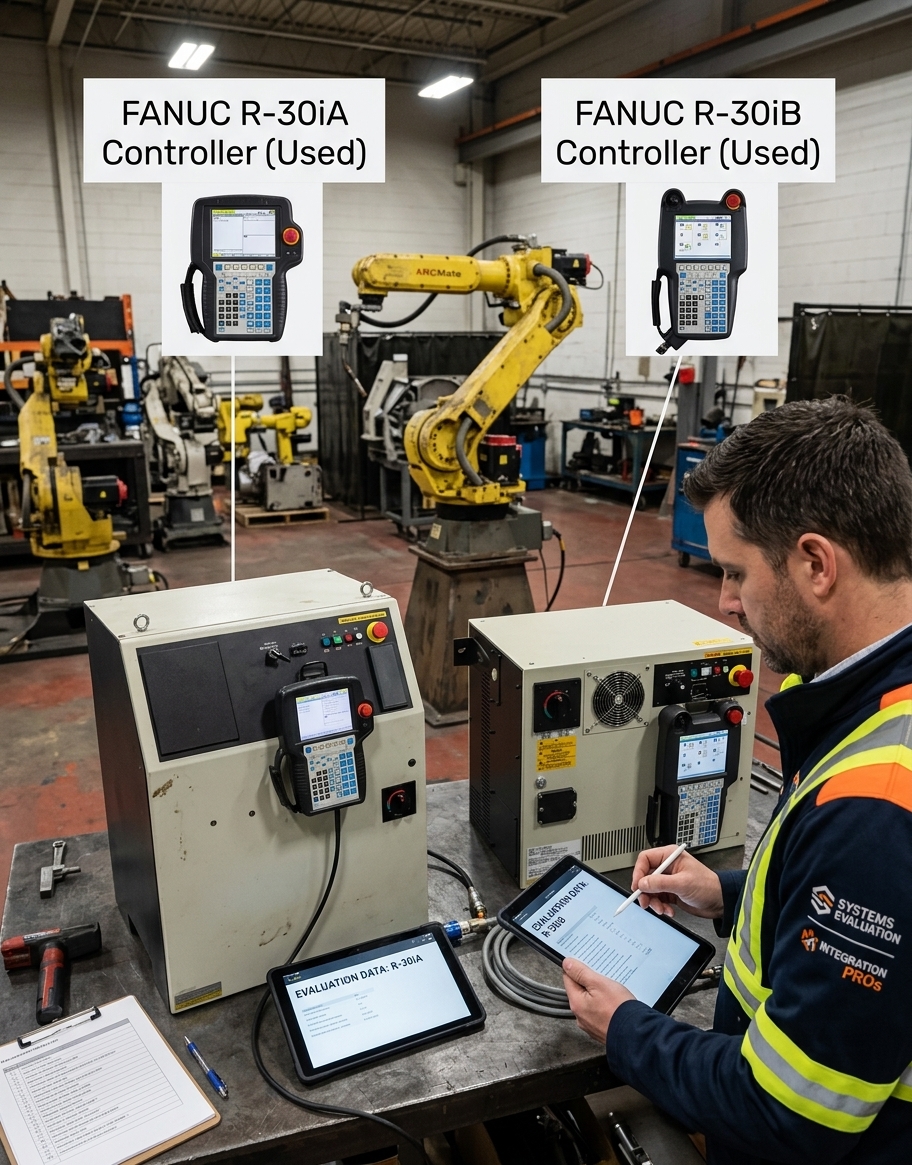
Top Buying Mistakes That Turn Refurbished Robots Into Costly Investments

Engineer inspecting a refurbished industrial robot before purchase

Buying a Refurbished Robot Is Not the Same as Buying a Lower-Priced Robot The biggest mistake companies make when purchasing a refurbished industrial robot is assuming the purchase price determines whether the investment will be successful. In reality, the purchase price is only one part of the total project cost. A refurbished robot can become … Read more

When Delaying Automation Is the Better Production Decision

Production team evaluating whether a manufacturing process is ready for robotic automation

Technical Feasibility Does Not Mean Operational Readiness The main question is rarely whether a robot can perform the task. The more important issue is whether the process automation readiness of the production line is high enough to support a stable, measurable, and economically defensible project. A robot can repeat programmed movements consistently, but it cannot … Read more

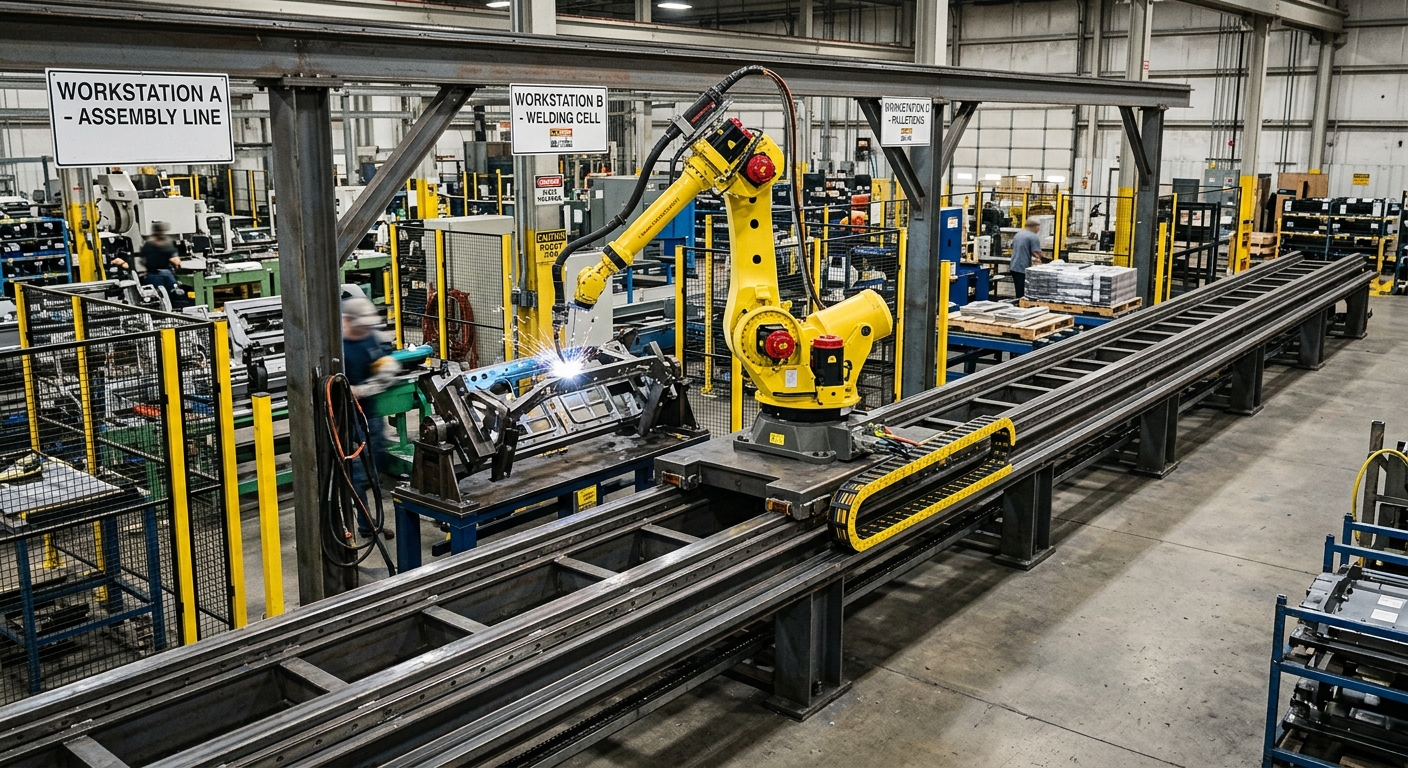
When Refurbished Robots Make Sense for Warehouse Automation—and When They Do Not

Refurbished industrial robots automating warehouse material handling operations

Why Lower Purchase Cost Is Rarely the Real Warehouse Automation Decision The decision to automate a warehouse with refurbished warehouse robots is rarely about finding the lowest purchase price. The more important question is whether the existing warehouse processes, equipment, and operational goals allow a refurbished robotic system to deliver reliable performance over time. A … Read more

When Small Factory Automation Delivers ROI on a Limited Budget

Small manufacturing facility evaluating an industrial robot for a budget-conscious automation project

Why Budget Is Rarely the Biggest Constraint The biggest obstacle to small factory automation is often assumed to be budget. In reality, many automation projects fail because companies try to automate the wrong process first. A limited budget makes process selection even more important, because there is little room for expensive redesigns, unexpected integration work, … Read more

When Do Used Robots Make Sense for Food Industry Automation?

Refurbished industrial robot operating in a food production automation cell

Why Lower Purchase Cost Is Only Part of the Decision Food industry automation is often evaluated under pressure to increase production capacity, improve consistency, or address labor shortages. In that situation, a used industrial robot can appear to be the obvious financial choice. The real question, however, is whether the robot can meet the hygiene, … Read more

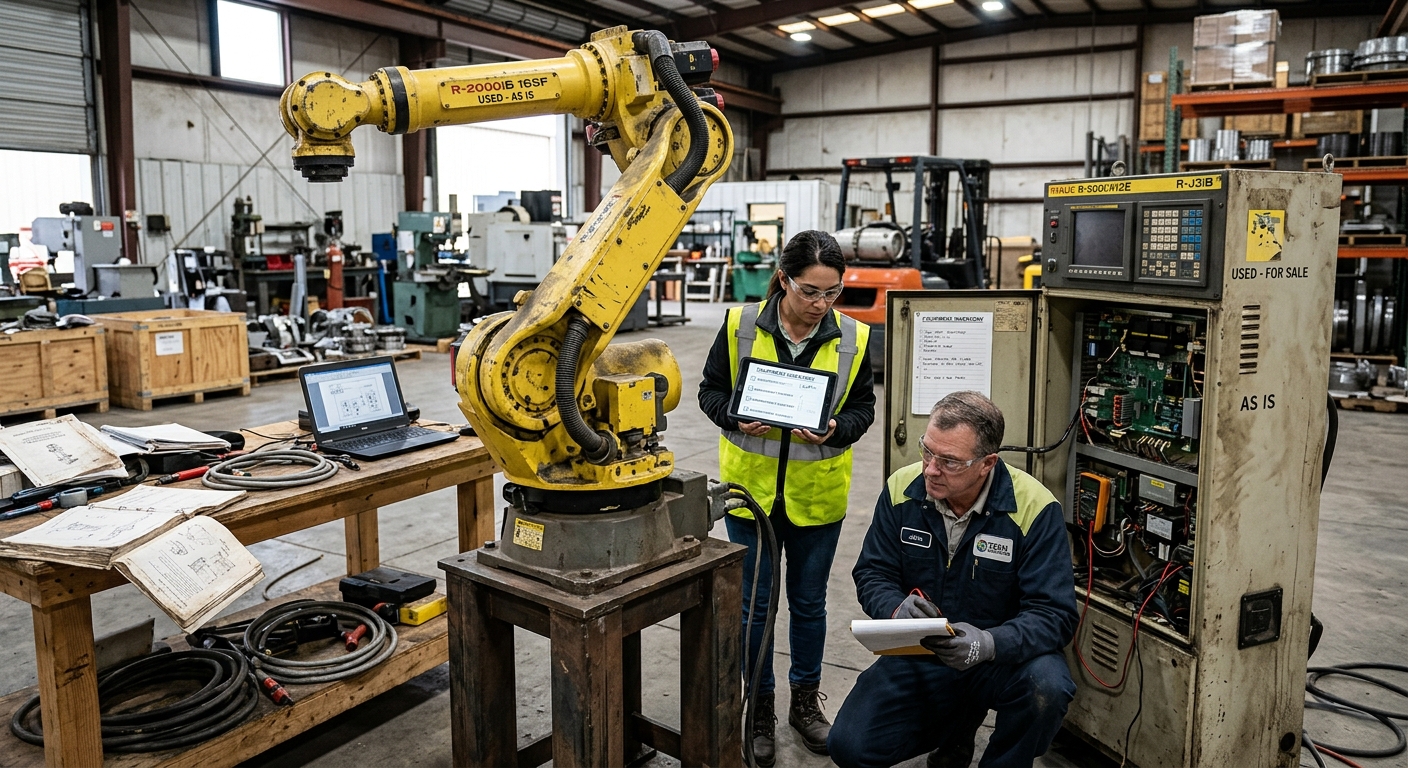
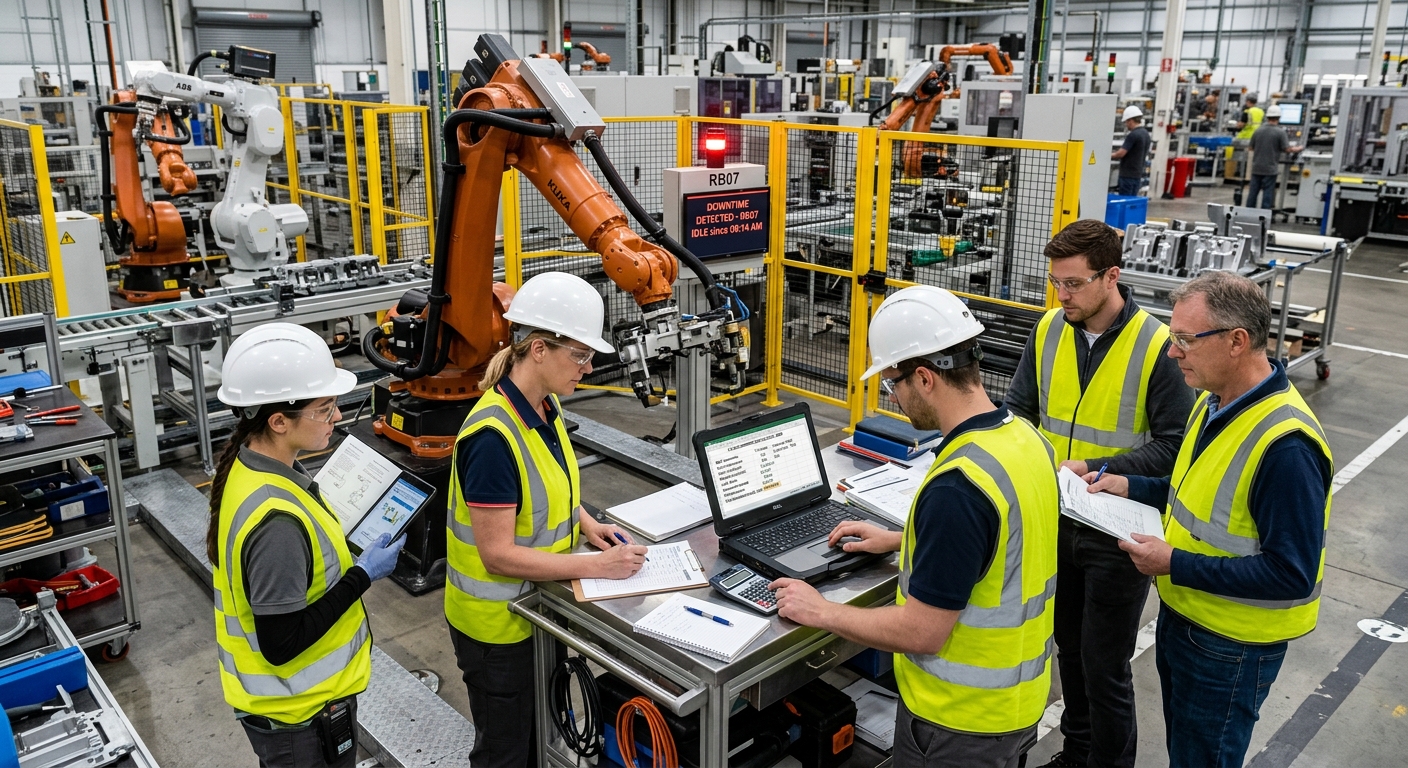
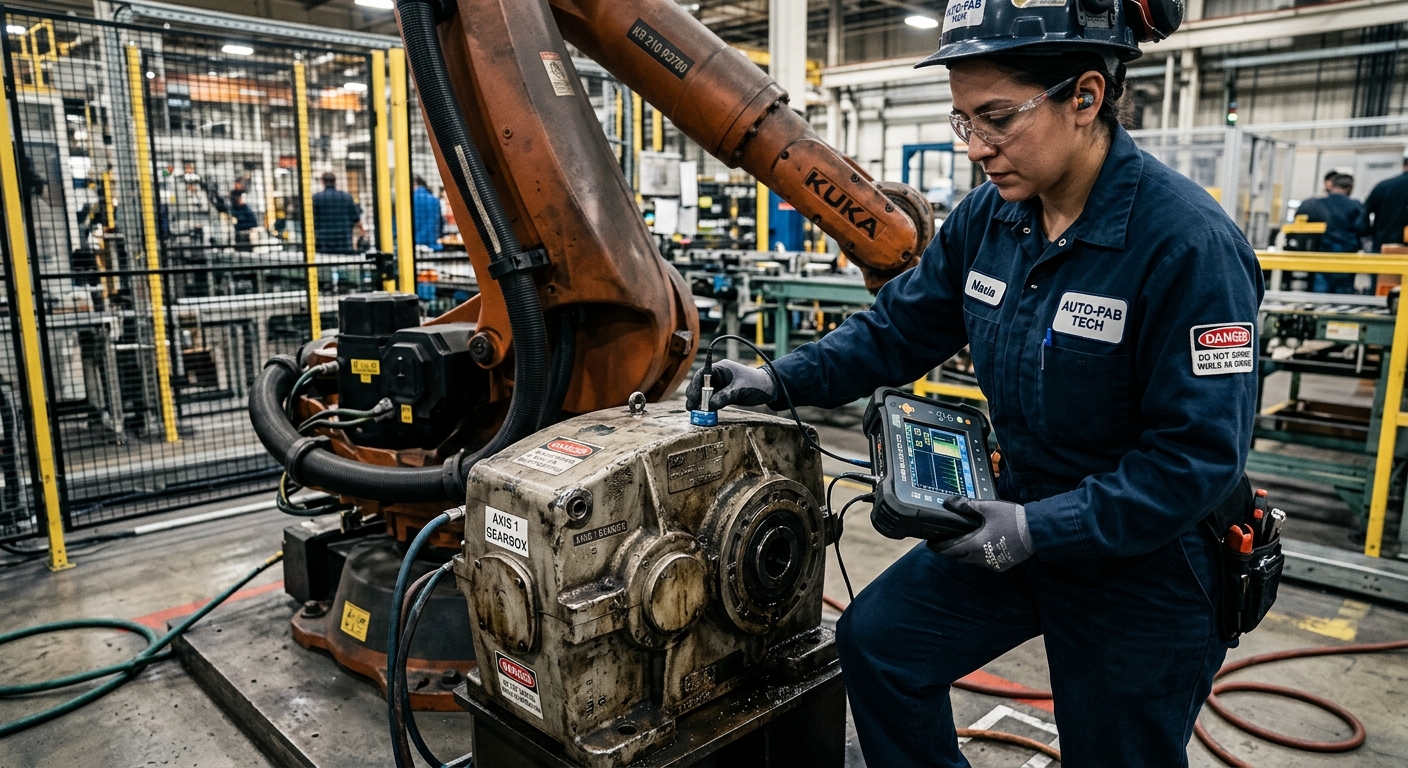
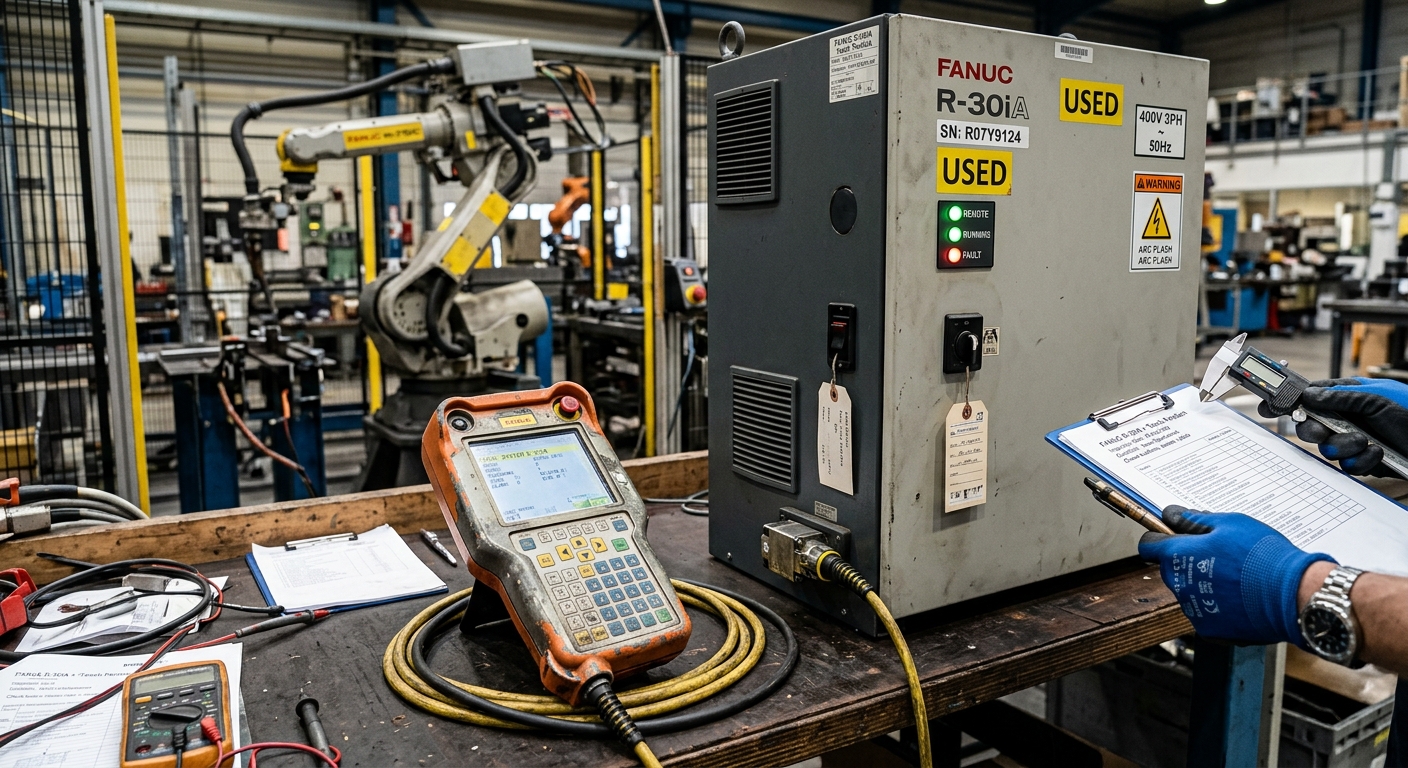
A Second-Hand Robot Can Look Ready for Production and Still Hide Expensive Risk

Technician carrying out a second-hand robot inspection before purchase

A second-hand robot inspection should answer a harder question than whether the arm powers up and moves. The real issue is whether the robot can enter a specific production environment without creating avoidable mechanical, controller, compatibility, maintenance, or downtime risk. A machine can look clean, complete a short demonstration, and still be a poor purchase … Read more

From One Robot to a Fully Automated Plant: When Should You Scale?

Why Scaling Automation Is a Different Decision Than Buying the First Robot The success of a company’s first robotic cell often creates pressure to automate everything else. That enthusiasm is understandable, but scaling robotic automation is not simply a matter of purchasing additional robots. The conditions that made the first project successful may not exist … Read more